
I’m glad we made time on our vacation to hop over to Barcelona, instead of staying solely in Paris and the south of France. The transatlantic trek and logistics were enough effort that it was worth travelling and seeing more of Europe while we were there.
More importantly, Barcelona was a blast, and a distinct contrast from Paris. Paris was historic, intellectual, cultured, and impossibly chic, but Barcelona was bright, loud, and full of life, in all the best ways. I’m glad I saw it.
Here are some highlights and thoughts, in roughly chronological order. Also see the pictures.
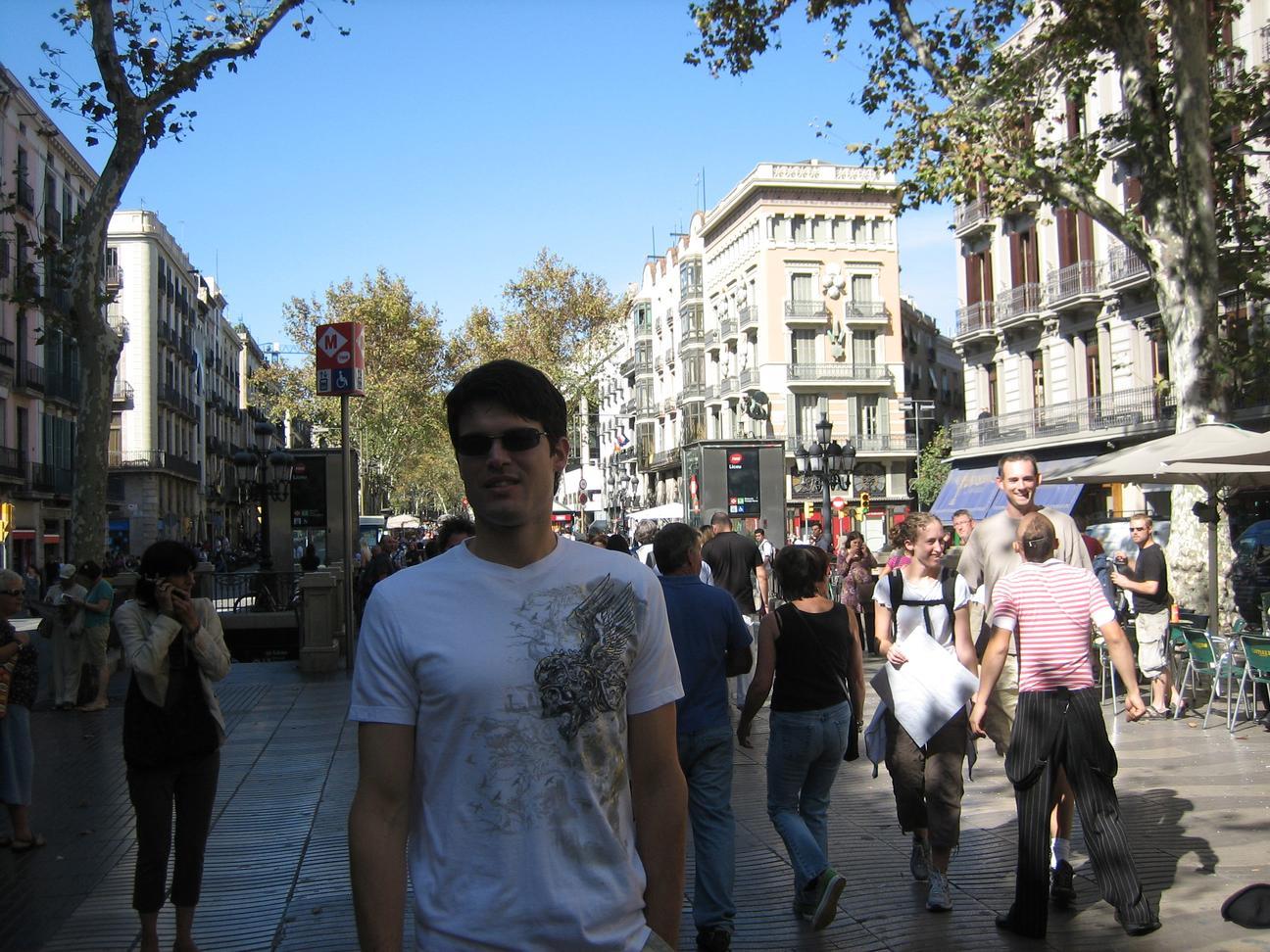
- La Rambla, one of the
most famous and attractive streets in the world. It’s lined with trees,
historic shops and open air markets, incredible street performers, and lots
of both tourists and natives.
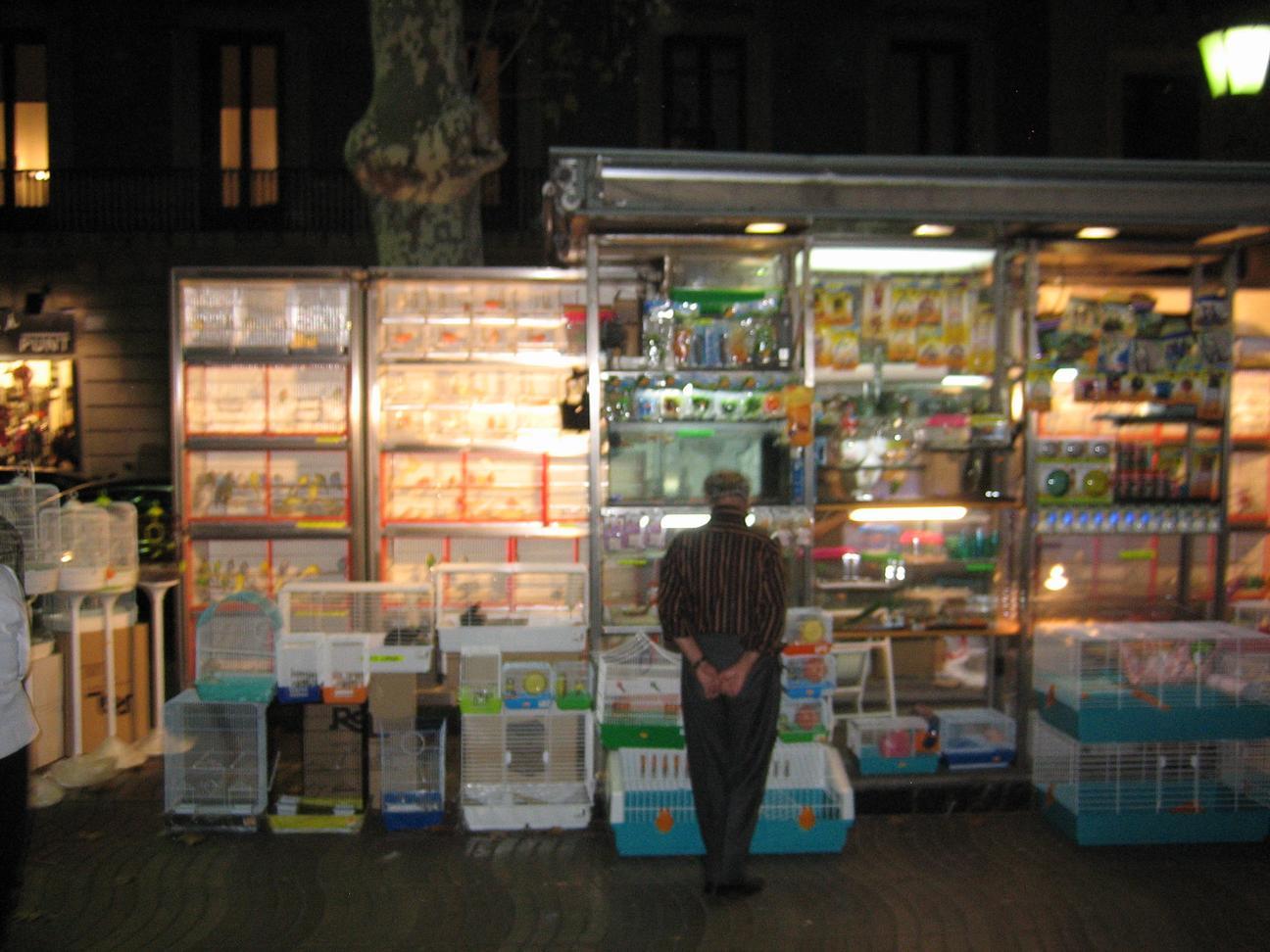
One memorable highlight was the cluster of street vendors selling live pet birds. Their stacks of bird cages easily stood out from the throngs. Fun fact: when the vendors go home, they just throw a tarp over their cages and leave the birds there for the night.
-
Montjuïc, the large park and open space that contains Poble Espanyol, the Olympic stadium, and other notable locations. It reminded me of the Presidio in San Francisco, especially seeing how much it’s treasured by Barcelona locals.
-
On a related note, the Olympic Stadium, village, and facilities were suitably impressive, and definitely worth visiting. It’s sad that the stadium and other facilities are barely used any more!

-
The official language is Catalan, which is somewhat between Spanish and French, similar to Portuguese. Many natives actually speak it as their first language. Most official signs were in both Spanish and Catalan, with the occasional addition of English. Evidently the Eastern region of Valencia has its own similar sublanguage, Valencian.
-
Poble Espanyol, a synthetic little village that has traditional Spanish architecture, crafts, and other artifacts from various periods.
-
Plaça Espanya is one of the central squares in the city. It’s a transportation, sightseeing, and shopping hub, so we ended up there often before and after different day trips.
-
Modernista architecture everywhere. So fun, and definitely my style. Evidently much of Barcelona was built up in the recent 20th century, culminating in their hosting the Olympics in 1992, so they had more space and interest in unusual, progressive architecture and public sculpture.
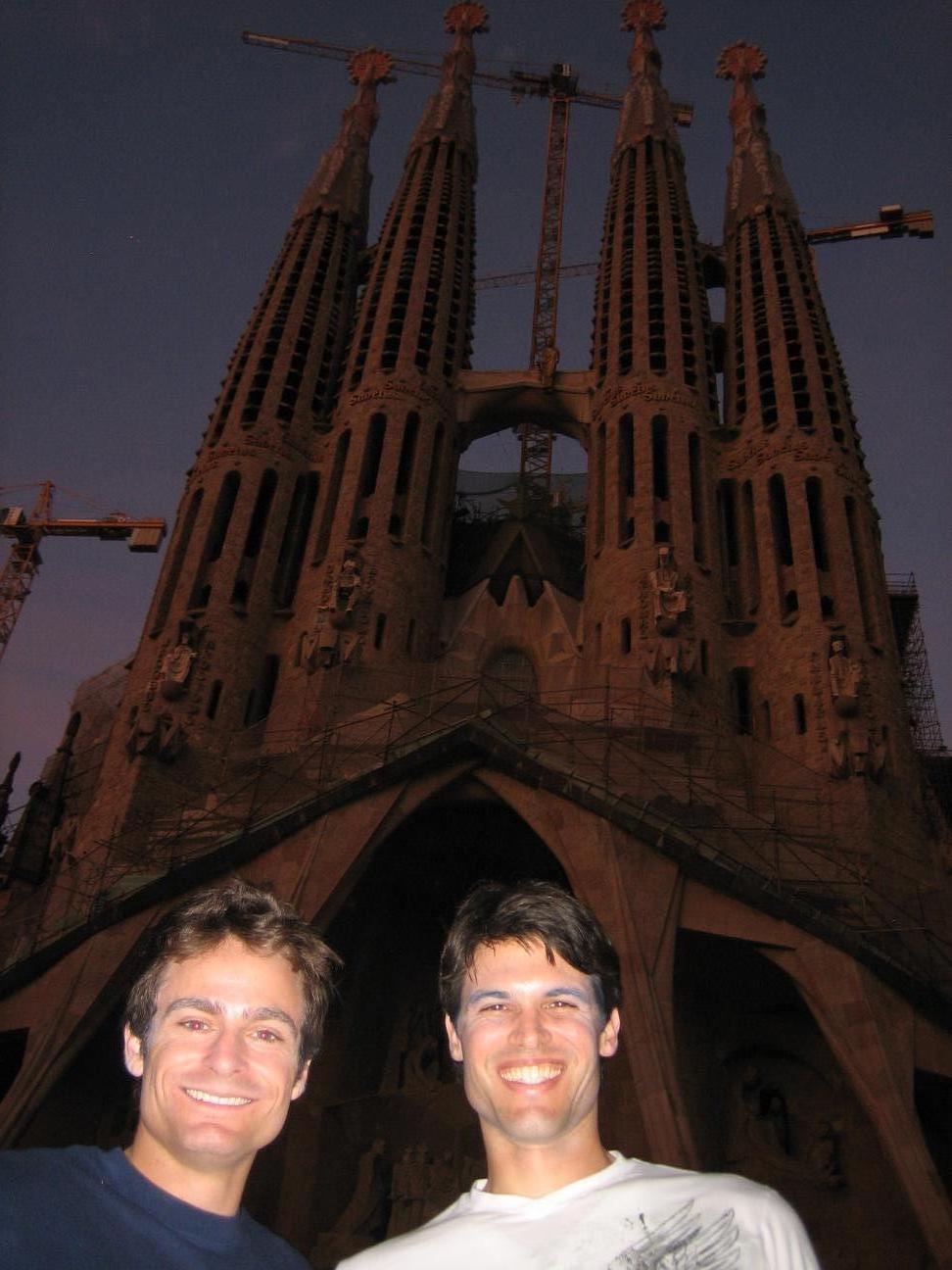
Notable pieces included Gaudí‘s La Sagrada Familia (of course), La Pedrera, Torre Agbar (somewhat), and many other buildings and public sculptures. I particularly enjoyed how much of it was still actively used today.
I was also struck by the natural connection with other similar Spanish (and European) movements and aesthetics, like magical realism and cubism, similar to how other movements like impressionism spanned visual art, music, and literature.
-
The beaches at Miramar and Barceloneta exemplified the energetic, vibrant atmosphere in Barcelona. It may have been mid week in October, but it still gave Ibiza a run for its money. You can’t go wrong with sun, waves, live music, and a crowd of people having fun.

-
The Barri Gòtic was a very fun, very European walking district with lots of open air shops, restaurants, live music, and other activities. We caught a surprisingly good jazz group playing at Jamboree on our last night, which we enjoyed a lot.
-
I was delighted, if not surprised, that chocolate played a more important role in the culture. Locals ate and drank it more often as a snack, and tended to understand and appreciated quality chocolate. More details in the food and drink highlights post.
-
Montserrat is a steep mountain, national park, and historic Benedictine abbey near Barcelona. It was a great day trip. The cable car and funiculars we took up from the foot of the mountain were stunning, as were the views from the top.

The monastery’s chapel was also one of the most striking and memorable we saw, even considering the competition in Paris, the Sagrada Familia, and others on the trip.